Mentor: Maggie Dennis

1. How long have you been a mentor with the GPA Mentor Program?
It’s been so long, I had to look it up. I started mentoring in July 2019. But that’s only 4.5 years. Maybe it seems so long ago because it was pre-Covid.
2. What motivated you to start mentoring?
I enjoy supporting other grant professionals one-on-one. I don’t really like teaching a group. Mentoring is a way I can contribute that fits my personality.
3. As a mentor, what are you getting out of mentoring?
I’ve enjoyed connecting with people from all over. I’ve had mentees who live locally, in other states, and in other countries. The similarities and differences in our work have been eye-opening.
4. What advice do you have for new grant professionals in the field?
Well, join GPA for the resources and the supportive community. Join your local chapter. Participate as a mentee. I can’t imagine my work without all this support.
5. What attracted you to the grant profession?
When I moved back to Colorado in 2010, I was looking for a new career where my skills could support a community need. I had a career as a museum historian, so research, writing, storytelling, and project management easily transferred to grant writing. What keeps me inspired is making a contribution to my community and getting to be involved in projects that are really making a difference.
6. What have you learned from your time in the program?
I’ve learned that mentoring is a two-way street. I’ve been a mentor to new grant professionals just starting out, mid-career folks needing support on a specific issue, and those who are starting their own consulting practice. I’ve learned from all of them, and I think it has helped me improve my own skills—both as a writer and as a consultant.
7. What is your favorite part about being a mentor?
I like to let mentees guide the mentoring relationship, so that my support helps their immediate needs and builds on longer-term goals. It’s fun to follow along their journey.
8. What would you say to others considering becoming a mentor?
Please, join us! It’s very rewarding and you have a lot of experience that will help support others in ways that webinars and conferences really can’t achieve.
9. What has surprised you the most about being a mentor?
Probably that I know more than I think I do – and I tend to take it for granted. As a mentor, I try to see things from other people’s perspective and remind myself how much I had to learn (and still have to learn).
_____________________________________________________________________________________
Mentor: Gayla Rawlinson-Maynard
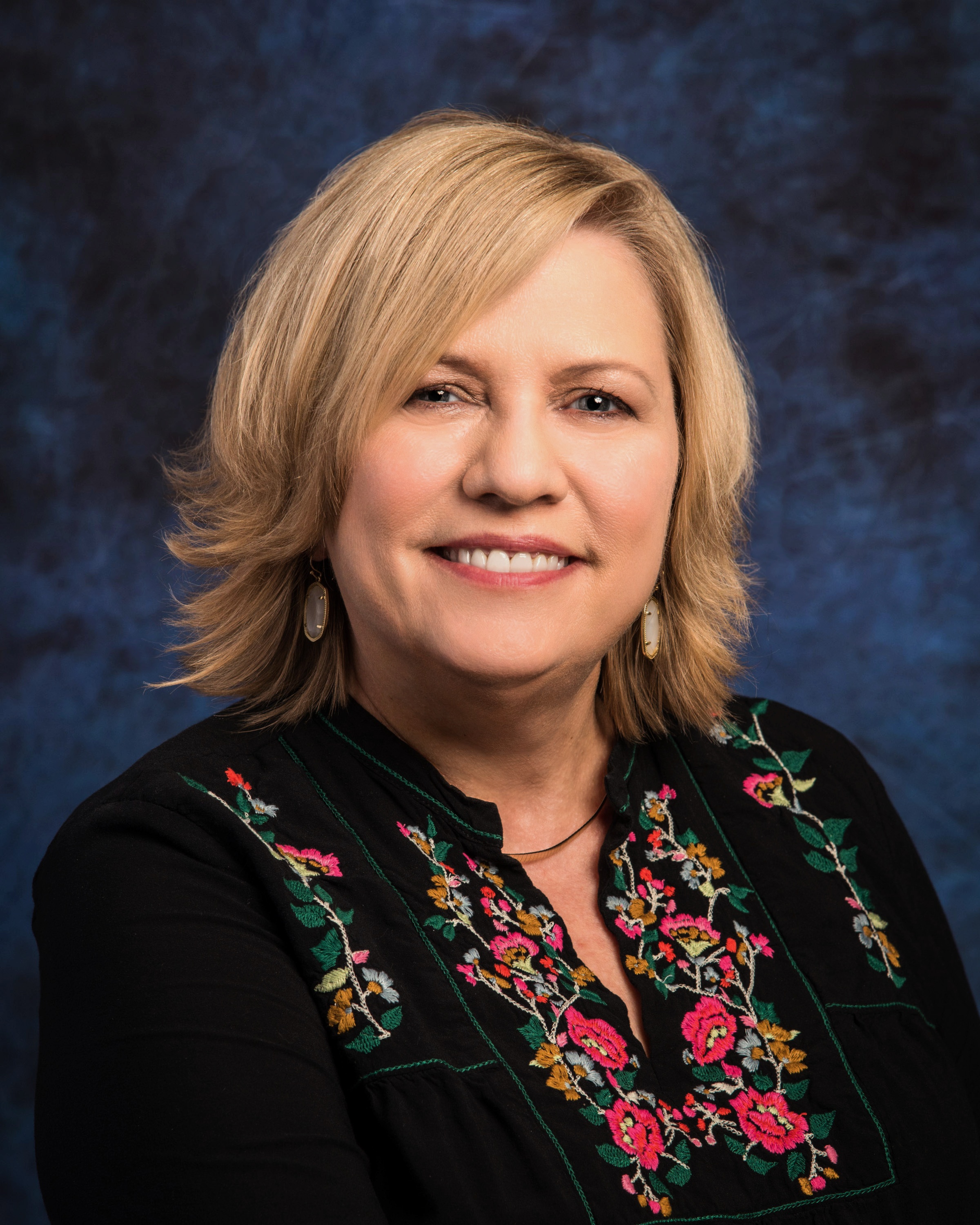
1. How long have you been a mentor with the GPA Mentor Program?
I have been a GPA mentor since January 8, 2018; over 5 years.
2. What motivated you to start mentoring?
I went to a couple of sessions on mentoring (I believe one was offered at the conference and one at a chapter meeting) and it sounded like a great way to give back to the field; support those new to the grant profession.
3. As a mentor, what are you getting out of mentoring?
I find that as I have mentored over the years, I love watching others grow professionally and become more confident in their roles – get their GPCs; find employment; refine their roles; educate others on their roles and responsibilities (or move out of the field if it isn’t a good fit for them). I also learn so much about what grant professionals experience – their jobs; organizations; systems; procedures; etc.
4. What advice do you have for new grant professionals in the field?
My advice is to take advantage of the resources available through GPA – GrantZone; GrantSchool; GrantSummit – list goes on; connect with other grant professionals with similar roles; attend training; read relevant books/articles/blogs; gather as much information as they can regarding the organizations they support; and learn how to navigate the systems within their organizations.
5. What attracted you to the grant profession?
I was attracted to the grant profession because of how challenging it is; the complexity of public grant proposal development; then the movement to ever-increasing responsibilities as a manager and director. What keeps you inspired? My volunteer work with GPA keeps me inspired – how well it is organized; the systems it has in place; its continued progress; how it works to elevate practice (GPF; GPC).
6. What have you learned from your time in the program?
I learned to conduct an introductory meeting with each mentor request so we can be sure we are a good fit – that the knowledge, skills, and experiences I have will support their goals. I have found that getting to know each other better helps before we enter into the mentor/mentee relationship. I also ask that each mentee answer a list of questions (those posed on the GPA Mentor pages) so I can help support their goals. We revisit these goals at least two times throughout the GPA Mentor/Mentee relationship.
7. What is your favorite part about being a mentor?
My favorite part of being a mentor is watching mentees become more confident in their work.
8. What would you say to others considering becoming a mentor?
I would tell them at being a mentor offers them another opportunity to serve; to offer those new to the field or new to their jobs the resources/tools to transform their lives; that the impact they have creates a legacy that will outlive them.
9. What is your favorite part of being a GPA Mentor?
Besides what I said earlier; my favorite part of being a GPA Mentor is how structured it is – I like the request process; tools and supports provided to the mentor.
10. What has surprised you the most about being a mentor?
I guess it shouldn’t have surprised me but it was confirmed for me as to how little organizations onboard their staff; how organizations hire grant specialists without a thorough understanding of grants or how to effectively use the position and have unrealistic expectations as to what a grant professional can accomplish within the hours the organization is funding.